

Crawl Space Encapsulation vs Dehumidifier: Do You Need Both?
Moisture problems in a crawl space rarely stay contained below the home. Over time, excess humidity may contribute to musty odors, mold growth, wood deterioration, pest activity, and poor indoor air quality. Homeowners dealing with damp crawl spaces often ask the same question: Should you install a dehumidifier, encapsulate the crawl space, or use both?
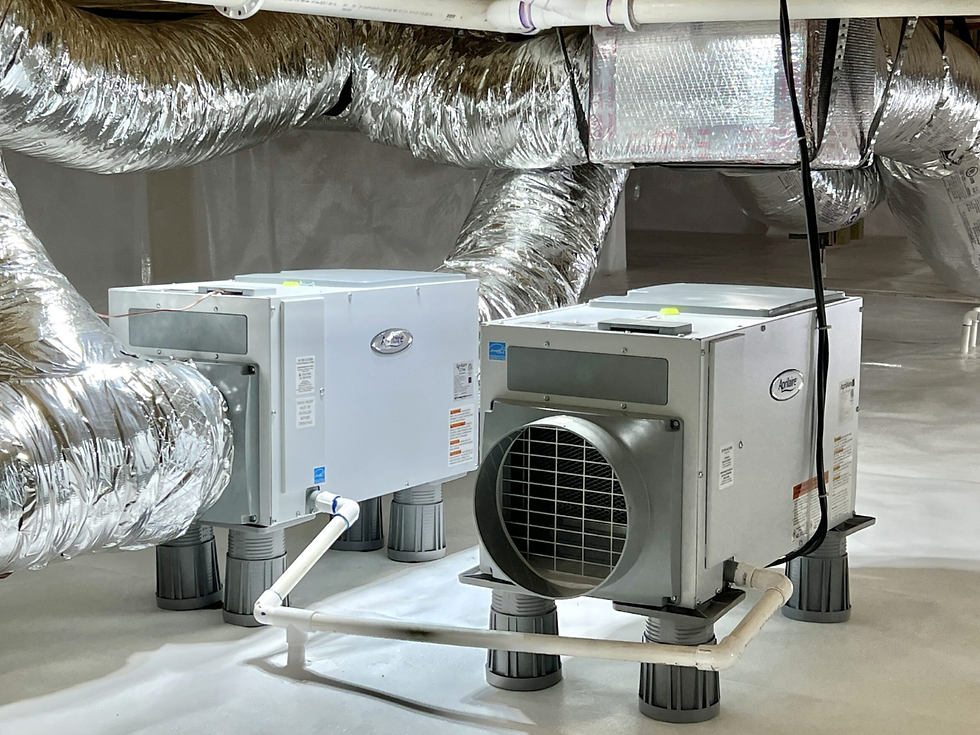
The answer depends on the source of moisture, the condition of the crawl space, and long-term moisture control goals. While both solutions help manage humidity, they serve different purposes and are often more effective when combined.
What Is Crawl Space Encapsulation?
Crawl space encapsulation is the process of sealing the crawl space from outside moisture and air intrusion. This typically involves installing a heavy-duty vapor barrier across the floor and walls, sealing vents, and creating a more controlled environment beneath the home.
The goal is to reduce moisture entry rather than continuously manage moisture after it appears.
Encapsulation may be recommended for crawl spaces experiencing:
Persistent dampness
Condensation on surfaces
Mold concerns
Musty odors inside the home
High humidity levels
Wood rot risks
A properly encapsulated crawl space can help improve moisture control throughout the year.
Learn more about professional crawl space encapsulation services to understand how sealing systems work for long-term protection.
What Does a Crawl Space Dehumidifier Do?
A crawl space dehumidifier removes excess moisture from the air by reducing humidity levels within the enclosed space.
Unlike encapsulation, which limits moisture entering the crawl space, a dehumidifier actively manages humidity already present.
Homeowners may use crawl space dehumidifiers when dealing with:
Seasonal humidity increases
Damp air despite existing vapor barriers
High moisture levels in humid climates
Condensation buildup
A dehumidifier addresses symptoms of humidity but may not eliminate the source of moisture intrusion.
Crawl Space Encapsulation vs Dehumidifier: Key Differences
Although these solutions are often grouped together, their functions differ significantly.
Feature | Crawl Space Encapsulation | Crawl Space Dehumidifier |
Primary purpose | Prevents outside moisture intrusion | Removes humidity from air |
Method | Seals crawl space environment | Controls indoor moisture levels |
Long-term moisture protection | Higher | Moderate when used alone |
Energy efficiency impact | May improve efficiency | Requires ongoing operation |
Best for | Persistent moisture issues | Humidity management |
Encapsulation focuses on prevention, while dehumidifiers focus on moisture reduction.
Can a Dehumidifier Replace Crawl Space Encapsulation?
In many situations, no.
Installing a dehumidifier without addressing moisture entry points can mean the system continuously works against incoming humidity. If outside air, groundwater moisture, or condensation continues entering the crawl space, the dehumidifier may struggle to maintain stable humidity levels.
Think of it this way: removing water from the air without reducing moisture intrusion is similar to drying a leak without fixing the source.
This is why moisture assessments often evaluate:
Existing vapor barriers
Ventilation conditions
Standing water presence
Insulation condition
Signs of mold or wood damage
Addressing underlying issues usually produces better long-term results.
Do You Need Both Encapsulation and a Dehumidifier?

Many homeowners benefit from using both systems together, especially in humid regions or homes with persistent crawl space moisture issues.
An encapsulated crawl space reduces moisture entry, while the dehumidifier helps maintain controlled humidity levels afterward.
Combined systems may help support:
Potential Benefit | Why It Matters |
Lower humidity | Reduces conditions favorable for mold growth |
Improved indoor air quality | Moisture below the home may affect indoor air |
Reduced musty odors | Helps control damp environments |
Better protection for structural materials | Excess moisture can impact wood components |
More stable crawl space environment | Supports long-term moisture management |
The right approach depends on the crawl space condition rather than a one-size-fits-all solution.
Signs Your Crawl Space May Need Moisture Control Solutions
Homeowners often overlook crawl spaces until visible symptoms appear elsewhere in the house.
Common warning signs include:
Musty smells indoors, uneven indoor humidity, sagging floors, visible mold, condensation, pest activity, or standing water beneath the home.
If these issues are recurring, a professional crawl space inspection service may help identify underlying causes before moisture problems worsen.
What Happens if Crawl Space Moisture Is Ignored?
Long-term moisture exposure can contribute to multiple problems beneath a home.
Persistent damp conditions may affect insulation performance, encourage mold growth, and increase deterioration risks for wooden structural components.
Early intervention often makes moisture problems easier to manage than waiting for visible damage to spread.
Which Solution Is Best for Your Home?
The right moisture control strategy depends on several factors:
Climate and regional humidity
Existing crawl space condition
Severity of moisture intrusion
Presence of mold or standing water
Previous waterproofing or encapsulation efforts
Some homes may benefit from dehumidification alone, while others require complete encapsulation combined with moisture management systems.
A professional assessment helps determine the most appropriate approach based on the crawl space itself rather than assumptions.
Final Thoughts
Crawl space encapsulation and dehumidifiers are not competing solutions. They address different parts of the same moisture problem.
Encapsulation helps reduce moisture intrusion. Dehumidifiers help manage remaining humidity. In many cases, using both provides stronger long-term moisture control than relying on one solution alone.
If you are noticing musty odors, damp crawl spaces, mold concerns, or signs of excess humidity beneath your home, exploring professional crawl space encapsulation, crawl space moisture control, or crawl space repair services may help protect your home over time.
Need help evaluating moisture problems beneath your home? Contact CM Crawl Space Solutions to schedule a free crawl space assessment and identify the right moisture control solution for your property.


Comments