

Encapsulation vs Vapor Barrier: Are They the Same Thing?
Summary:
A vapor barrier reduces moisture coming from exposed soil but does not fully control crawl space humidity.
Crawl space encapsulation includes a vapor barrier plus additional moisture control and sealing measures.
The best solution depends on your crawl space's moisture levels, drainage conditions, and overall environment.
Many homeowners hear the terms crawl space encapsulation and vapor barrier used interchangeably. While they are closely related, they are not the same thing.
This confusion is understandable because a vapor barrier is often one of the key components used during a crawl space encapsulation project. However, encapsulation is a much more comprehensive solution designed to address moisture, humidity, air quality, and long-term crawl space protection.

If you live in Raleigh, Cary, Apex, Garner, Holly Springs, Durham, Chapel Hill, Clayton, Fuquay-Varina, Knightdale, Willow Spring, or Smithfield, understanding the difference is especially important. North Carolina's humid climate can create conditions that allow moisture to accumulate beneath homes throughout much of the year.
Knowing which solution is appropriate for your crawl space can help you make an informed decision and avoid moisture-related problems in the future.
The Short Answer: No, They Are Not the Same
A vapor barrier is a material installed over exposed soil to help reduce moisture coming from the ground.
Crawl space encapsulation is a complete moisture management system that typically includes a vapor barrier along with additional components designed to create a controlled environment beneath your home.
Think of it this way: a vapor barrier can be part of an encapsulation system, but encapsulation involves much more than simply covering the ground.
What Is a Crawl Space Vapor Barrier?
A crawl space vapor barrier is typically a heavy-duty plastic material installed across the exposed soil surface beneath a home.
Its primary purpose is to help reduce moisture evaporation from the ground.
Without a barrier, moisture naturally rises from the soil and enters the crawl space air. Over time, this can contribute to:
Elevated humidity levels
Condensation
Mold growth
Wood rot
Damaged insulation
Musty odors
A properly installed vapor barrier helps limit this moisture source and can improve overall crawl space conditions.
What a Vapor Barrier Does Well
A vapor barrier can provide several benefits:
Benefit | How It Helps |
Reduces ground moisture | Limits water vapor entering the crawl space |
Protects wood framing | Helps reduce excess humidity exposure |
Supports insulation performance | Keeps insulation drier |
Improves air quality | May reduce musty odors |
Creates a cleaner crawl space | Covers exposed dirt surfaces |
For some homes experiencing minor moisture concerns, a vapor barrier may be an effective part of the solution.
What a Vapor Barrier Does Not Do
This is where many homeowners become confused.
A vapor barrier alone does not:
Seal crawl space walls
Address high humidity levels
Remove standing water
Control groundwater intrusion
Fix drainage problems
Repair structural damage
Dehumidify the space
If moisture is entering from multiple sources, a vapor barrier by itself may not provide sufficient protection.
This is one reason professional inspections are important before deciding on a moisture control strategy.
What Is Crawl Space Encapsulation?
Crawl space encapsulation is a more comprehensive approach to moisture management.
Rather than addressing only ground moisture, encapsulation focuses on creating a controlled environment throughout the crawl space.
A typical encapsulation project often includes:
Heavy-duty vapor barrier installation
Wall sealing
Pier wrapping
Air sealing
Moisture management improvements
Drainage solutions if needed
Dehumidification systems when appropriate
The goal is to reduce moisture entry from multiple sources while helping maintain more stable humidity levels beneath the home.
How Crawl Space Encapsulation Works
Encapsulation starts with addressing any existing moisture issues.
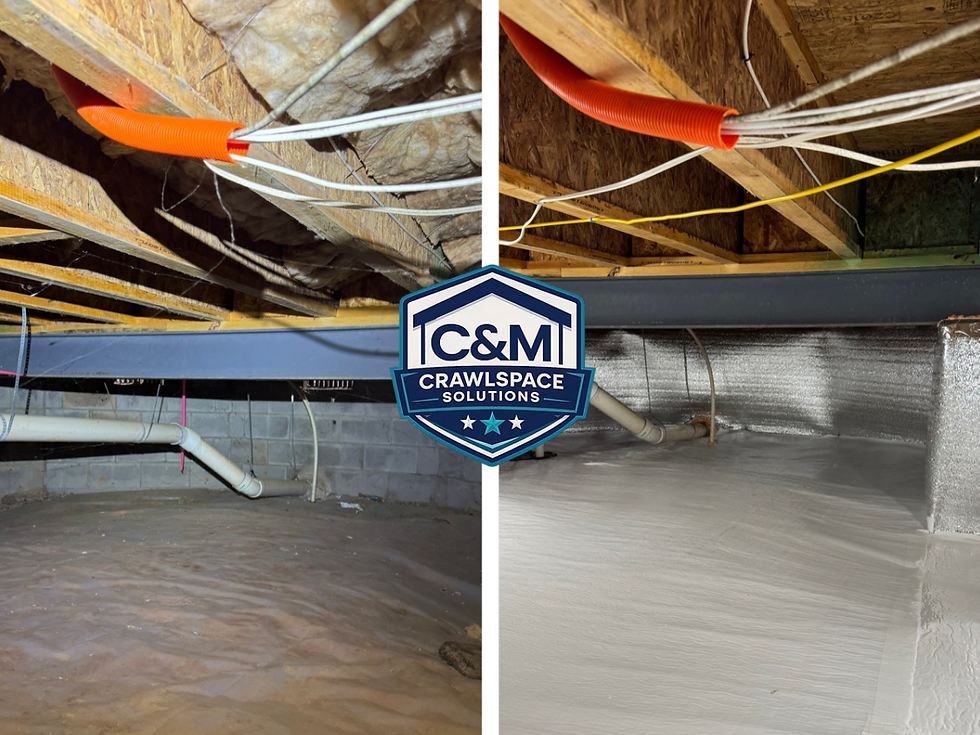
For example, if standing water is present, drainage improvements or sump pump installation may be necessary before sealing the space.
Once moisture sources are addressed, a reinforced vapor barrier is installed across the floor and extended up foundation walls.
Openings, gaps, and penetrations are sealed to help reduce outside air infiltration.
In some cases, a crawl space dehumidifier may be added to help maintain appropriate humidity levels throughout the year.
The result is a cleaner, more controlled crawl space environment.
Encapsulation vs Vapor Barrier: Side-by-Side Comparison
Feature | Vapor Barrier | Crawl Space Encapsulation |
Covers exposed soil | Yes | Yes |
Seals foundation walls | No | Yes |
Air sealing included | No | Yes |
Humidity control | Limited | More comprehensive |
Dehumidifier integration | No | Often included |
Addresses multiple moisture sources | No | Yes |
Long-term moisture management | Partial | Comprehensive |
Supports overall crawl space conditioning | Limited | Yes |
This comparison highlights why the two terms should not be considered interchangeable.
Which Option Is Better for Your Home?
The answer depends on the condition of your crawl space.
Homes with minimal moisture concerns may benefit from a vapor barrier as part of a basic moisture control strategy.
However, homes experiencing recurring humidity, condensation, mold growth, water intrusion, or musty odors often require a more complete solution.
Several factors influence the recommendation:
Existing Moisture Levels
High humidity throughout the year often indicates moisture sources beyond simple ground evaporation.
Standing Water Problems
If water regularly enters the crawl space after storms, drainage improvements may be necessary before any barrier system can perform effectively.
Mold or Wood Rot
Existing damage often suggests that moisture has been present for an extended period.
Indoor Air Quality Concerns
Many homeowners are surprised to learn that crawl space air can influence air quality throughout the living space above.
A properly managed crawl space can help create healthier indoor conditions.
Why Moisture Is Such a Big Problem in North Carolina Crawl Spaces
The climate throughout Raleigh, Durham, Chapel Hill, Cary, Apex, Garner, Clayton, Holly Springs, Fuquay-Varina, Knightdale, Willow Spring, and Smithfield creates ongoing moisture challenges for many homes.
Warm temperatures combined with high humidity levels increase the likelihood of condensation beneath homes.
Even when there is no visible flooding, moisture can accumulate slowly over time.
This is why many homeowners discover:
Musty odors
Mold growth
Sagging floors
Wet insulation
Elevated indoor humidity
Addressing moisture before these issues become severe can help protect both the crawl space and the structure above it.
Can a Vapor Barrier Be Upgraded Into an Encapsulation System?
In many cases, yes.
Some homeowners start with a vapor barrier and later decide to pursue encapsulation as additional concerns arise.
The ability to upgrade depends on:
The condition of the existing barrier
Moisture levels
Drainage conditions
Overall crawl space design
A professional evaluation can determine whether existing materials can be incorporated into a larger encapsulation project.
Not Sure Which Solution You Need?
If you're noticing moisture, musty odors, or signs of mold beneath your home, a crawl space inspection can help identify the source of the problem before deciding between a vapor barrier or full encapsulation system. Understanding the cause is often the first step toward choosing the most effective long-term solution.
Common Misconceptions About Encapsulation and Vapor Barriers
"A Vapor Barrier Completely Waterproofs My Crawl Space"
A vapor barrier helps reduce moisture from the ground, but it does not stop water intrusion from foundation leaks, drainage issues, or flooding.
"Encapsulation Eliminates Every Moisture Risk"
Encapsulation significantly improves moisture control, but proper drainage and ongoing maintenance remain important.
"Every Crawl Space Needs Full Encapsulation"
Not necessarily.
Each crawl space has unique conditions. Some homes benefit from a vapor barrier alone, while others require more comprehensive moisture management.
"Moisture Beneath My Home Is Normal"
Some moisture is common, but excessive humidity, mold growth, standing water, and wood rot should never be ignored.
Benefits of Addressing Crawl Space Moisture Early
Regardless of the solution selected, addressing moisture problems early can provide several advantages:
Potential Benefit | Why It Matters |
Reduced mold risk | Helps protect indoor air quality |
Improved structural protection | Reduces moisture-related deterioration |
Better insulation performance | Supports energy efficiency |
Lower humidity levels | Improves comfort |
Cleaner crawl space environment | Easier future inspections and maintenance |
Early intervention is often simpler and less disruptive than repairing extensive moisture-related damage later.
Final Thoughts
While crawl space encapsulation and vapor barriers are closely connected, they are not the same thing.
A vapor barrier focuses primarily on reducing ground moisture. Crawl space encapsulation is a broader moisture management system that typically includes a vapor barrier along with wall sealing, air sealing, and additional humidity control measures.
For homeowners in Raleigh, Cary, Apex, Garner, Holly Springs, Durham, Chapel Hill, Clayton, Fuquay-Varina, Knightdale, Willow Spring, and Smithfield, understanding this distinction can help when evaluating crawl space moisture problems and choosing an appropriate solution.
The right approach depends on the condition of your crawl space, the severity of moisture issues, and the long-term goals for protecting your home.
Frequently Asked Questions
How long does a crawl space vapor barrier typically last?
The lifespan depends on material thickness, installation quality, and crawl space conditions. Heavier reinforced barriers generally last longer than thinner materials.
Can pests damage a vapor barrier?
Yes. Rodents and other pests can sometimes tear or puncture vapor barriers, which is why periodic inspections are recommended.
Will encapsulation make my crawl space completely airtight?
Encapsulation significantly reduces air movement but does not necessarily create a perfectly airtight environment.
Does encapsulation help during all seasons?
Yes. Moisture control benefits can be valuable throughout the year, including humid summers and cooler months when condensation can occur.
Can encapsulation improve comfort inside the home?
Many homeowners notice improved comfort after moisture control measures are implemented because crawl space conditions can influence indoor temperature and humidity levels.


Comments