

Sealed Crawl Space vs Vented Crawl Space: Pros and Cons Explained
For decades, vented crawl spaces were considered the standard construction method throughout North Carolina. Builders installed foundation vents to allow outdoor air to circulate beneath the home, believing that airflow would help remove moisture and keep the crawl space dry.
Today, many homeowners and building professionals have moved away from this approach.
Research has shown that vented crawl spaces often introduce moisture rather than eliminate it, particularly in humid climates. During spring and summer, warm, moisture-laden air enters through crawl space vents and comes into contact with cooler surfaces beneath the home. This can create condensation, elevated humidity levels, mold growth, wood rot, and insulation damage.
As a result, sealed crawl spaces have become increasingly popular. By isolating the crawl space from outdoor air and controlling moisture through encapsulation systems, homeowners can create a cleaner and more stable environment beneath their homes.
Understanding the differences between these two approaches can help homeowners determine which option is better suited for long-term protection and comfort.
What Is a Vented Crawl Space?
A vented crawl space is designed with openings along the foundation walls that allow outside air to flow beneath the home.

The original theory behind vented crawl spaces was that natural airflow would remove excess moisture and reduce the risk of mold and decay. While this concept may sound logical, it often produces the opposite result in regions with high humidity levels.
In North Carolina, outdoor air frequently contains significant amounts of moisture.
When that air enters the crawl space, humidity levels can rise quickly. Over time, this can create conditions that support mold growth, wood deterioration, pest activity, and insulation failure.
Many older homes throughout Raleigh, Cary, Durham, Chapel Hill, Clayton, and surrounding communities still rely on traditional vented crawl spaces.
What Is a Sealed Crawl Space?
A sealed crawl space, often referred to as an encapsulated crawl space, is designed to prevent outdoor moisture from entering the space beneath the home.
Instead of relying on outside airflow, the crawl space is enclosed using a heavy-duty vapor barrier that covers the floor and walls. Additional moisture management components such as drainage systems, sump pumps, dehumidifiers, and insulation improvements may also be incorporated depending on site conditions.
The goal is to create a controlled environment where humidity levels remain stable throughout the year.
Rather than allowing the crawl space to behave like an outdoor environment, encapsulation effectively makes it part of the home's protected building envelope.
Side-by-Side Comparison
Factor | Vented Crawl Space | Sealed Crawl Space |
Moisture Control | Relies on outdoor conditions | Actively controls moisture |
Humidity Levels | Fluctuate with weather | More consistent year-round |
Mold Risk | Higher in humid climates | Significantly reduced |
Pest Entry | Open vents provide access | Fewer entry points |
Energy Efficiency | Less efficient | Often improves efficiency |
Indoor Air Quality | Outdoor contaminants may enter | Better environmental control |
Insulation Protection | More susceptible to damage | Better protected |
Long-Term Maintenance | Ongoing moisture concerns | Lower moisture-related risks |
The Advantages of a Vented Crawl Space
Despite its limitations, a vented crawl space does offer a few benefits.
The initial installation cost is typically lower because fewer materials and moisture-control systems are required. Repairs and inspections can also be straightforward because the space remains accessible and open.
For homes located in exceptionally dry climates, a vented crawl space may perform adequately. However, these conditions are very different from what many homeowners experience throughout Central North Carolina.
The primary challenge is that a vented crawl space depends heavily on weather conditions that homeowners cannot control.
The Drawbacks of a Vented Crawl Space
The biggest disadvantage of a vented crawl space is its inability to consistently manage moisture.
During humid months, vents often allow moisture to enter faster than it can leave. This creates an environment where condensation forms on wood framing, ductwork, pipes, and insulation.
Over time, homeowners may experience:
Common Issue | Potential Result |
Elevated humidity | Musty odors throughout the home |
Condensation | Moisture damage to structural materials |
Mold growth | Indoor air quality concerns |
Wet insulation | Reduced energy efficiency |
Wood rot | Structural deterioration |
Pest activity | Increased risk of infestations |
These problems often develop gradually, making them easy to overlook until significant damage has occurred.
The Advantages of a Sealed Crawl Space
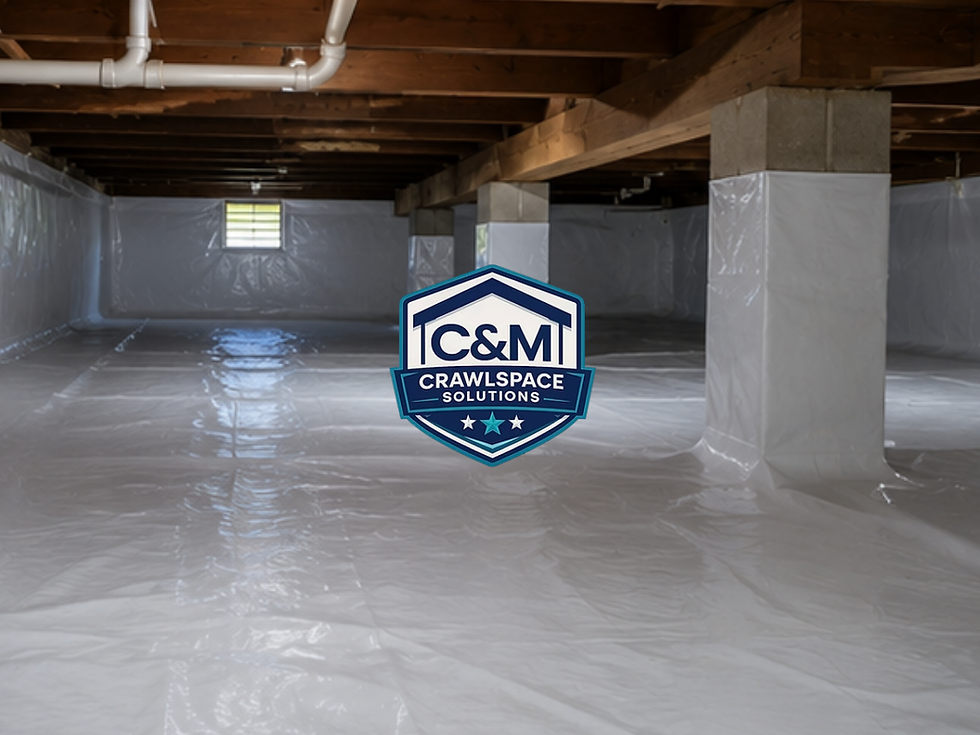
A properly sealed crawl space addresses many of the moisture-related issues associated with traditional vented designs.
By preventing outside air from entering and controlling humidity levels internally, encapsulation creates a more stable environment beneath the home.
Homeowners frequently report improved indoor comfort after encapsulation because crawl space conditions have a direct impact on the air inside the living space above.
Many studies estimate that a substantial portion of the air within a home originates from the crawl space. When that space contains mold spores, excess moisture, or musty odors, those contaminants can migrate upward into the home.
A sealed crawl space helps reduce this risk while protecting structural components from prolonged exposure to moisture.
The Drawbacks of a Sealed Crawl Space
The primary drawback of crawl space encapsulation is the initial investment.
A complete encapsulation system may include a vapor barrier, drainage solutions, sump pump installation, dehumidification equipment, insulation improvements, and other moisture-management components depending on the property's needs.
However, many homeowners view encapsulation as a preventative investment. The cost of correcting extensive mold growth, replacing damaged insulation, repairing wood rot, or addressing moisture-related structural issues can often exceed the cost of preventing those problems in the first place.
Why More North Carolina Homeowners Are Choosing Encapsulation
North Carolina's climate plays a significant role in crawl space performance.
High humidity levels, seasonal storms, and frequent rainfall can create ideal conditions for moisture accumulation beneath homes. Because of these environmental factors, many homeowners are moving away from traditional vented crawl spaces in favor of encapsulation systems designed specifically for moisture control.
The goal is not simply to seal the crawl space. The goal is to create a healthier, drier, and more stable environment that helps protect the home for years to come.
Understanding CM Crawl Space Solutions' Transferable Lifetime Warranty

One of the most valuable aspects of a professionally installed encapsulation system is the protection that comes with it.
CM Crawl Space Solutions offers a Transferable Lifetime Warranty on qualifying crawl space encapsulation systems.
Unlike standard warranties that expire after a few years or remain tied only to the original homeowner, a transferable lifetime warranty remains with the property. If the home is sold in the future, the warranty can be transferred to the next owner.
This provides long-term protection for the encapsulation system while also creating an additional point of confidence for prospective buyers.
Warranty Feature | Benefit |
Lifetime Coverage | Long-term protection for qualifying systems |
Transferable Ownership | Can move to future homeowners |
Added Property Appeal | May increase buyer confidence |
Professional Backing | Reflects confidence in installation quality |
For homeowners planning to stay in their homes for decades or those considering a future sale, a transferable lifetime warranty can provide reassurance that their crawl space investment continues to deliver value over time.
Protect Your Home From Crawl Space Moisture
CM Crawl Space Solutions provides crawl space encapsulation, vapor barrier installation, drainage systems, sump pump installation, mold remediation, insulation replacement, dehumidifier installation, and crawl space waterproofing services throughout Smithfield, Knightdale, Willow Spring, Raleigh, Cary, Garner, Apex, Holly Springs, Durham, Chapel Hill, Clayton, and Fuquay-Varina.
Schedule a free crawl space inspection today and learn how a professionally sealed crawl space can provide long-term moisture protection backed by a transferable lifetime warranty.


Comments